
Weekly Pool Service in Phoenix, AZ
Weekly pool service in Phoenix, AZ is the difference between a pool you swim in and a pool you manage. The Pool Shack tests and balances the water, brushes, skims, empties the baskets and checks the equipment on every visit. Routes run from our North Phoenix base to Scottsdale, Cave Creek, New River and Glendale.
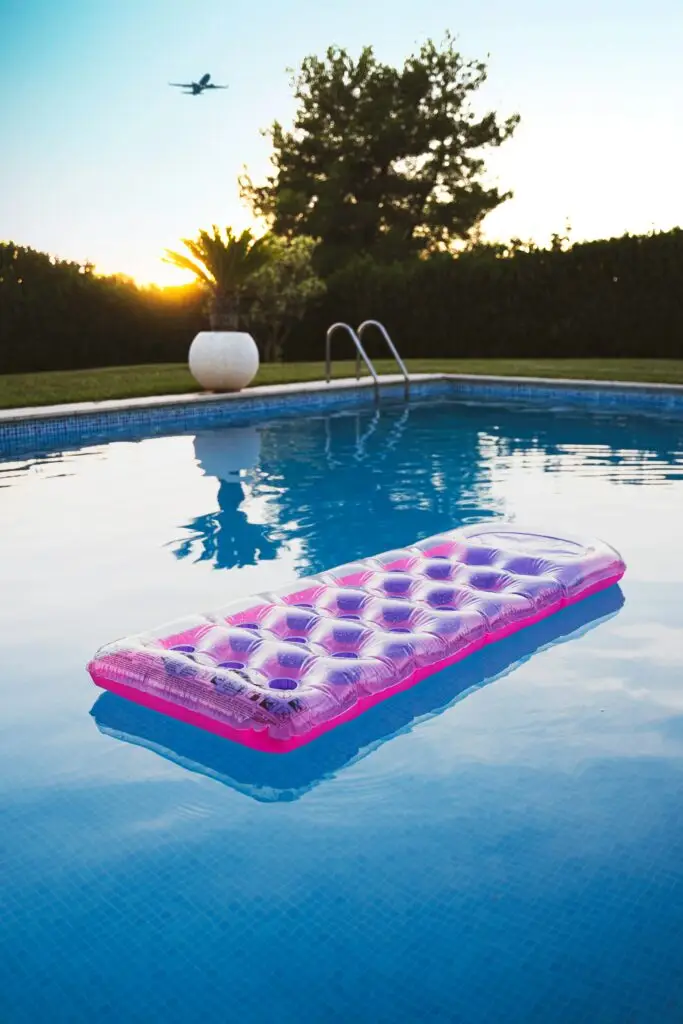
Same day every week
A fixed routine, on a fixed day
What’s included
What a Weekly Pool Service Visit Covers in Phoenix
Most people who call us already have a pool guy. The complaint is the same every time. He comes when he comes. The water looks fine on Tuesday and cloudy by Saturday. The baskets are full, the chlorine smell is strong, and nobody can say what was tested or what went in the water.
In Phoenix that costs more than a bad look. Summer water sits at 90 to 95 degrees and sunlight strips unprotected chlorine in under an hour. A pool that drops below 2 ppm can turn green in a day or two. One skipped week in July becomes a green pool cleanup, a clogged filter and a pump running hot on a full basket.
Weekly pool service from The Pool Shack is a fixed routine on a fixed day. Free and combined chlorine, pH and alkalinity are tested and adjusted on site. Walls, steps and the tile line are brushed. The surface is skimmed, the floor vacuumed when it needs it, and the skimmer and pump baskets emptied. Filter pressure is read against its clean number, and the pump, filter and heater get a look before we leave. Small problems get flagged early, by a KA-5 licensed crew that can fix them.
Is it time?
Signs a Phoenix Pool Needs Weekly Service, Not a Rescue
Most of these show up weeks before the water turns. A standing weekly visit costs less than the cleanup that follows.
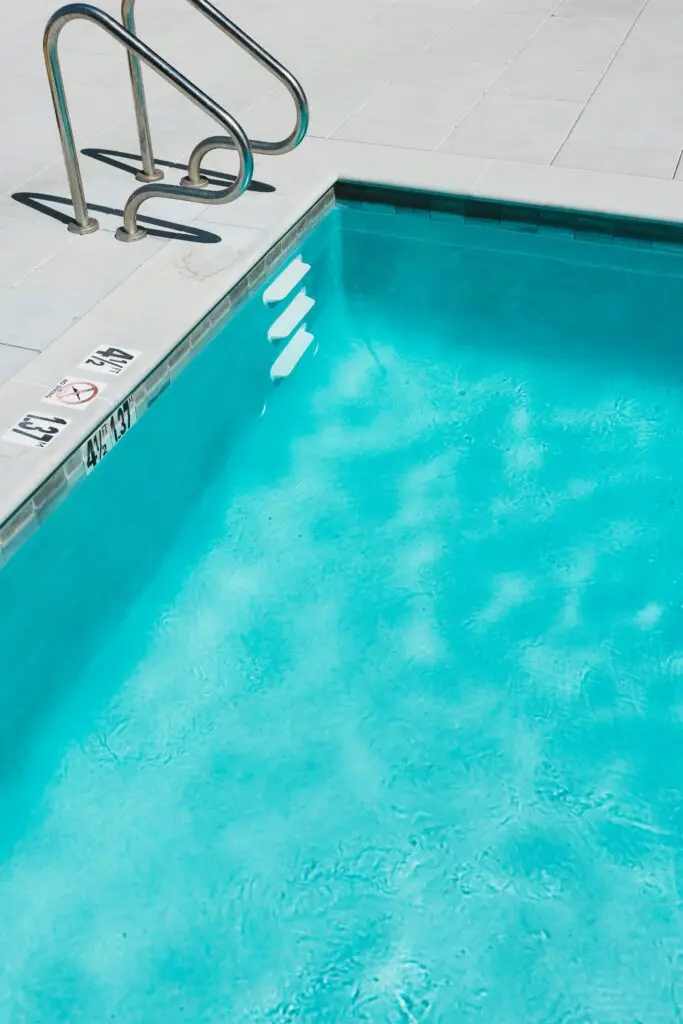
Licensed, bonded, insured
Arizona KA-5 dual license
Why it matters
Why Weekly Pool Service Is the Right Interval for a Phoenix Pool
Weekly is a chemistry number, not a sales number. A Phoenix pool loses chlorine faster, evaporates faster and takes on more dust and fill water than a pool almost anywhere else in the country. Seven days is about as long as the water stays inside the ranges that keep it clear, safe and easy on the plaster. Here is what happens in those seven days, and what a weekly visit does about each part of it.
Why chlorine disappears from a Phoenix pool in under an hour of sun
Free chlorine is what kills bacteria and algae. Without a stabilizer in the water, sunlight destroys it in less than an hour. That is why an unstabilized pool in Phoenix tests fine at 7 a.m. and empty by noon. Cyanuric acid, the stabilizer, shields chlorine from ultraviolet light. With it in the water at the right level, free chlorine lasts three to ten times longer.
The right level is 30 to 50 ppm. Too little and the chlorine burns off. Too much and the chlorine is still on the test strip but works slowly. That is how a pool with a good chlorine reading still grows algae. Stabilized tablets add cyanuric acid every week they dissolve, so it climbs on its own and needs checking. A weekly visit reads it and keeps it inside the window. Free chlorine is held at 2 to 4 ppm, where the water is protected and comfortable.
The weekly water test on a Phoenix pool and what each number means
A weekly pool service visit is a set of numbers before it is anything else. Free chlorine, 2 to 4 ppm, is the active sanitizer. Combined chlorine is chlorine that has already reacted with sweat, sunscreen and urine. It is the source of the chlorine smell and red eyes, and it should stay at or below 0.2 ppm. pH sits best at 7.4 to 7.6, close to the pH of the eye.
Total alkalinity, 80 to 120 ppm, is the buffer that keeps pH from swinging. It drops after a heavy rain and under acidic tablet chlorine, so it is tested every week and again after every storm. Calcium hardness, 200 to 400 ppm, protects plaster from etching. Cyanuric acid gets read weekly on any pool using stabilized chlorine. Together those numbers hold a saturation index between minus 0.3 and plus 0.3. In that range the water neither dissolves plaster nor deposits scale.
Brushing and vacuuming: why a weekly pool cleaning service in Phoenix cannot be chemical-only
Chlorine works on what it can reach. Algae starts as a biofilm on plaster, in the grout between tiles and on the steps. The oily film that sunscreen and dust leave behind holds it there. Brushing lifts that film off the wall and into the circulation, where the filter can remove it and the chlorine can reach it. It is far easier to prevent algae with a brush than to kill it with chemicals once it has a foothold.
Phoenix adds dust. Every breeze drops a layer of fine desert soil on the water. It settles on the floor and the steps, feeds algae and clouds the water when swimmers stir it up.
A weekly pool cleaning service skims what floats, brushes what clings and vacuums what has settled. Steps and the shallow end get brushed first, because that is where the sun and the swimmers are. A chemical-only route skips all three and leaves the owner holding the brush. That is the real difference between the two service levels, and it shows up in the water within a month.
Skimmer baskets, pump baskets and filter pressure on every weekly visit
Water in a residential pool should pass through the filter about once every six hours. A full skimmer basket or a packed pump basket chokes that flow. The pump works harder for less water, and the chemicals added on service day never reach the far corners. Emptying both baskets is the least glamorous part of weekly pool service and one of the most important. Pump run time gets a look too. A variable-speed pump set too low for summer never completes a turnover, and the water shows it by Thursday.
Filter pressure is the other check. Every filter has a clean starting pressure. When the gauge climbs 8 to 10 psi above that number, the filter is loaded with debris and needs to be backwashed or the cartridges pulled and cleaned. Reading the gauge every week against a known baseline is how a technician catches a loading filter before it strangles circulation. In Phoenix a loaded pool can hit that number fast. That is why filter cleaning is scheduled from the gauge and not the calendar.
Monsoon season and dust storms: what changes for weekly pool service in Phoenix
July through September is when weekly pool service earns its keep. A dust storm drops pounds of fine soil into the water in an afternoon, along with the phosphates and nitrates that algae feed on. A monsoon downpour adds hundreds of gallons of rainwater, dilutes the chlorine and stabilizer, and drops total alkalinity, which is why pH bounces after a storm. Warm rain also carries organic debris off the roof and the trees.
The weekly visit after a storm is different from a normal one. The surface and floor get cleared before the debris breaks down. Alkalinity and chlorine are tested and rebuilt. The filter pressure is read, because a load of dust can push it past the backwash point in one storm. The baskets are emptied again. Pools on a chemical-only route or on a technician who comes when he comes are the pools that go green in August.
Evaporation, hard fill water and TDS: the slow problem weekly service keeps in check on a Phoenix pool
A Phoenix pool loses roughly a quarter inch of water a day in summer. Evaporation removes pure water and leaves every dissolved solid behind, so the calcium, salt and stabilizer in the water concentrate week after week. The fill water that replaces it is hard, often carrying 400 ppm or more of dissolved solids plus its own calcium. The result is a pool whose calcium hardness and total dissolved solids climb all summer.
Left alone, that is where waterline scale comes from. Calcium with nowhere to go deposits on the tile, the steps and the salt cell. A weekly pool service cannot stop evaporation. It can watch the calcium and the saturation index and keep pH and alkalinity where the water stays balanced. When the numbers say the water is too old to balance, a partial drain and refill in the cool months is the honest answer. A weekly technician is the one who knows when that day has come.
Winter weekly pool service in Phoenix: why the schedule stays weekly when the water cools
Winter water in the Valley runs 55 to 65 degrees, and chlorine demand drops with it. The pool needs fewer chemicals, and that is the one part of the service that gets cheaper. What does not change is the debris. Winter is the windy season, and a Phoenix backyard sheds leaves, mesquite pods and dust all season long. A pool that sits for two weeks in January is a pool with a stained floor and a full skimmer.
Some owners ask about a monthly pool maintenance plan for winter. The chemistry can survive longer intervals in cool water, and a monthly visit costs less. The trade is a floor that stays dirty for weeks at a time and a filter nobody reads. Weekly service through winter keeps the plaster clean and the calcium in check while the water is cool enough to hold it. The pool gets a March start instead of a March cleanup.
Chemical-only vs full-service weekly pool cleaning in Phoenix, and what weekly pool service costs
Phoenix pool companies sell weekly service at three levels. Chemical-only routes test and dose the water and leave the cleaning to the owner. Full-service routes add brushing, skimming, vacuuming and baskets. Premium routes add filter cleaning, salt cell care and equipment checks. Market pricing in 2026 runs about $100 to $130 a month for chemical-only, $130 to $175 for full service and $175 to $230 for premium. Chemicals are usually included. Those are market ranges and not our quote.
Price moves with pool size, water features, a spa, a salt system and drive time to the outer Valley. It also moves with how honestly the route is priced. A route sold far under the market only stays profitable by skipping visits or cutting chemicals. That is the pattern behind most of the complaints we hear. A weekly pool service cost that looks too good is usually a prediction of how often the pool will be skipped.
Who does the weekly pool service, from North Phoenix to Scottsdale, Cave Creek and New River
The Pool Shack has been a family-owned Phoenix pool company since 2015, run from our North Phoenix base. Weekly service routes run across North Phoenix, Scottsdale, Paradise Valley, Cave Creek, New River and Glendale. Every technician works under the company’s Arizona KA-5 dual license, which covers service and construction. The same company that notices a failing pump on a Tuesday can legally replace it on Thursday. You can check the license at the Arizona Registrar of Contractors.
That matters more than it sounds. A chemical-only route with no license can tell you the pump is loud. It cannot open it. Our weekly technicians look at the pump, filter and heater on every visit. When something needs a pool repair, the quote comes from the company that has watched the equipment all year. Salt pools, spas, in-floor cleaning systems and Hayward, Pentair and Jandy equipment are all on the routes every week.
Getting started
How Weekly Pool Service Starts
1
We look at the pool and the equipment
Water tested, surface and filter checked, and a written price for the route based on your pool, not a flat guess.
2
Your pool gets a standing day
A fixed day each week on a North Phoenix, Scottsdale, Cave Creek or Glendale route, year round.
3
The water stays inside the ranges
Tested, balanced, brushed and skimmed every visit, with equipment problems flagged before they become repairs.
Get a quote
Get a Quote for Weekly Pool Service
Tell us the pool size, salt or chlorine, spa or no spa, and where you are in the Valley. We will price a weekly route for it in writing.
Other cleaning services
Cleaning Services That Go With a Weekly Route
Filter Cleaning
Cartridge, DE and sand filters cleaned when the gauge says so, so the weekly chemicals reach the whole pool.
Learn More
Tile Cleaning
Waterline calcium and scale removed from tile and rockwork, the deposit that hard Phoenix fill water leaves behind.
Learn More
Green Pool Cleaning
A green or swampy pool brought back to clear before it goes on a weekly route.
Learn More
Common questions
Weekly Pool Service Questions From Phoenix Pool Owners
How much does weekly pool service cost in Phoenix?
Phoenix market rates in 2026 run about $100 to $130 a month for chemical-only, $130 to $175 for full service and $175 to $230 for premium, chemicals included. Pool size, spa, salt and drive time move it.
What is included in weekly pool service?
Testing and balancing chlorine, pH and alkalinity, brushing walls and steps, skimming, vacuuming as needed, emptying baskets, reading filter pressure and checking the pump, filter and heater. Filter cleaning is scheduled when the gauge calls for it.
Is weekly pool service worth it in Arizona?
Yes, for most owners. Summer water at 90 to 95 degrees burns chlorine twice as fast as spring, and a pool under 2 ppm can go green in days. One green pool cleanup costs more than months of visits.
How long does a weekly pool service visit take?
Usually 20 to 40 minutes for a standard residential pool. A spa, a salt system, a dust storm or heavy leaves add time. The visit is done when the water tests in range and the floor and baskets are clean.
Do you offer weekly pool service in Scottsdale, Cave Creek and New River?
Yes. Weekly routes run from our North Phoenix base across North Phoenix, Scottsdale, Paradise Valley, Cave Creek, New River and Glendale. Call (480) 798-2888 to check your address.
What happens if the pool guy skips a week in July?
Chlorine runs out first, usually within days in the heat. Algae follows, then cloudy water and a loaded filter. Two skipped weeks in summer often means a green pool cleanup, not a double dose on the next visit.
Does weekly service continue during monsoon season and after dust storms?
Yes, and it matters most then. Rain dilutes chlorine and drops alkalinity, and dust adds algae food. The visit after a storm clears debris, rebuilds chemistry and checks filter pressure, which one haboob can push past the backwash point.
Can I switch to every other week in winter?
Cool water needs fewer chemicals, so some companies offer it. The debris does not stop, though. Winter wind drops leaves and dust for weeks at a time, and a floor left dirty stains plaster. We keep routes weekly year round.
Why does my pool turn cloudy a few days after service?
Usually low stabilizer, a loaded filter or short pump run time. Chlorine without enough cyanuric acid burns off in hours, and a filter past its backwash point cannot clear the water. A weekly visit checks all three.
Is weekly pool service different for a salt pool?
The chemistry targets are the same. The difference is the cell. Its output gets adjusted with the season and its plates checked for calcium scale, which hard Phoenix water builds fast. Both are part of the weekly visit.
Where We Work
Proudly Serving the Phoenix Area
- Phoenix
- Scottsdale
- Tempe
- Mesa
- Chandler
- Gilbert
- Glendale
- Peoria
Ready When You Are
Put Your Pool on a Weekly Route From North Phoenix
Tested, balanced, brushed and checked every week by a KA-5 licensed, family-owned crew, from North Phoenix across the Valley.