
Pool Tile Cleaning in Phoenix, AZ
Pool tile cleaning in Phoenix, AZ is calcium removal, because hard Valley water leaves a white band on every waterline it touches. The Pool Shack lowers the water and blasts the scale off tile, rockwork and spillways with media that does not scratch. The spent media is vacuumed out and the water rebalanced. No drain, no acid bath, from our shop in North Phoenix to Scottsdale, Cave Creek, New River and Glendale.
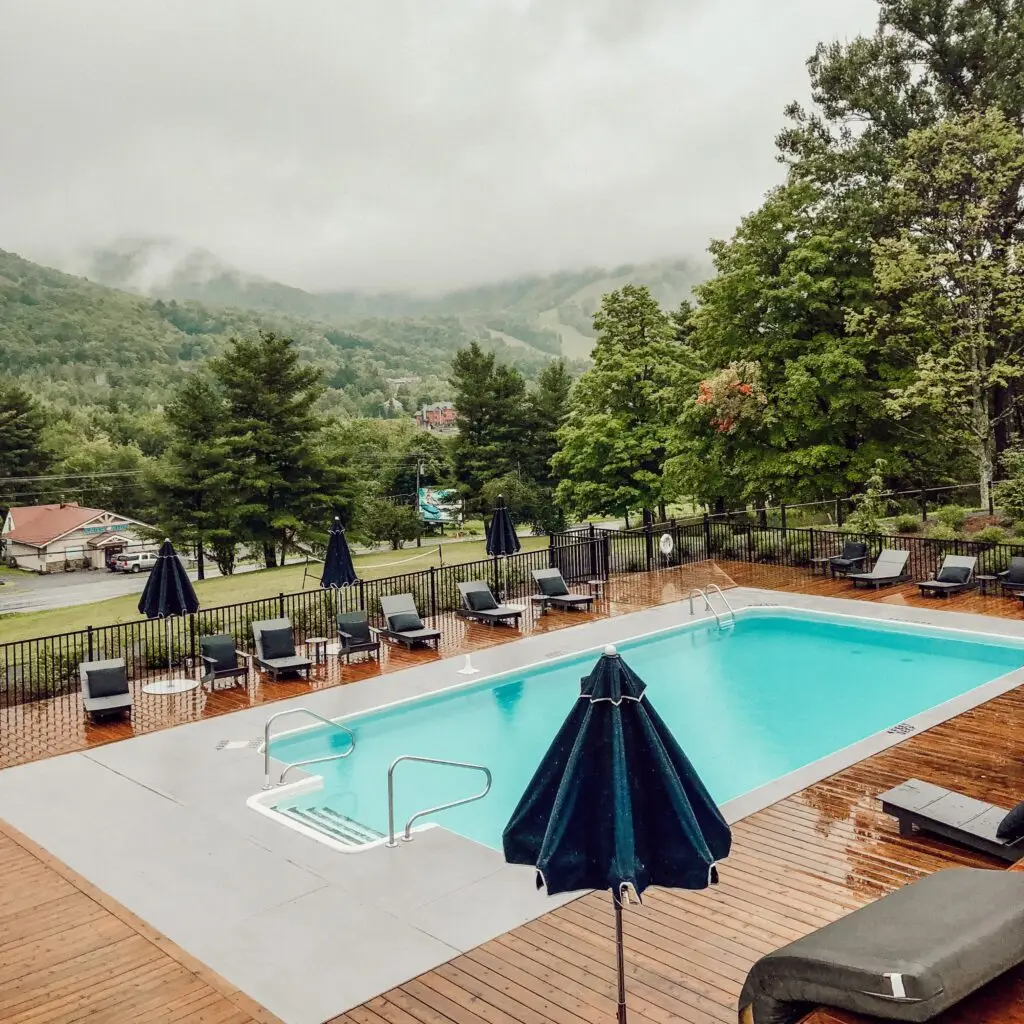
Calcium removal
Glass, ceramic, stone, pebble
What’s included
What a Pool Tile Cleaning Service Covers in Phoenix
The white line shows up in year two and never leaves on its own. It crusts the waterline tile, climbs the rock waterfall and turns the spa spillway grey. A pumice stone takes an afternoon and scratches the glaze. Vinegar does nothing. The pool guy shrugs, because it is not a chemistry problem he can fix with a bucket.
Every summer adds a layer. Phoenix fill water is loaded with calcium and evaporation leaves it behind. A hot pool at high pH deposits it on the tile a little every day. Soft carbonate scale hardens into silicate scale over a few years, and silicate is the kind that acid will not touch. A tile line left long enough needs new tile instead of a cleaning.
Pool tile cleaning from The Pool Shack removes the scale without draining the pool or scratching the tile. The water is lowered below the tile line. Waterline tile, spa dam walls, spillways and rock are blasted with glass bead or mineral media matched to the surface, glass tile included. The spent media and loosened calcium sink and are vacuumed out. The pool refills and the chemistry is rebalanced. What comes back is the color the tile was the day it was set.
Is it time?
Signs a Phoenix Pool Tile Line Needs Calcium Removal
Scale is easiest to remove while it is still white and chalky. Once it goes grey and glassy, it has changed into something harder.
Licensed, bonded, insured
Arizona KA-5 dual license
Why it matters
Why Pool Tile Cleaning in Phoenix Is a Calcium Problem First
Pool tile does not get dirty the way a kitchen floor does. What builds on it is a mineral deposit that the water itself leaves behind, and in Phoenix the water leaves a lot of it. Understanding where the scale comes from is the difference between cleaning it off every two years and cleaning it off every six months. Here is what is happening at the waterline and what a proper tile cleaning does about it.
Where the white line on a Phoenix pool comes from
Phoenix tap water is hard. It arrives with a heavy load of calcium and other dissolved solids before the pool ever touches it. Then the pool loses about a quarter inch of water a day to summer evaporation, and evaporation takes only pure water. The calcium stays behind and concentrates. Fill water replaces the loss and brings more calcium with it. Over a summer, calcium hardness climbs from the 200 to 400 ppm range where it belongs toward 600 and beyond.
At the waterline the water is warmest, the sun is strongest and the evaporation happens right on the tile surface. Every splash dries and leaves a ring of calcium. High pH speeds it up, and a Phoenix pool drifts toward high pH all summer. That is why the band forms at the waterline first and thickest. It spreads to the spillway, the rock and the steps next.
Calcium carbonate vs calcium silicate: which scale is on the tile
The white, flaky, chalky deposit that shows up first is calcium carbonate. It forms fast when pH, alkalinity and temperature are high, and it comes off fairly easily. It fizzes when muriatic acid touches it, which is the field test. Caught in the first year or two, it is a quick tile cleaning. Most Phoenix pools carry carbonate scale by the end of their second summer.
The grey-white, hard, glassy deposit is calcium silicate. It builds up slowly over years, usually on a pool where the carbonate scale was never removed. It does not react to acid at all. Silicate scale often points to a bigger problem. Water that has been out of balance for years, or a plaster surface that is breaking down, are the usual ones. It takes more time and more media to remove. On old tile it is sometimes the point where replacing the waterline tile costs less than saving it.
Pool tile cleaning methods in Phoenix: glass bead, mineral media, acid and pumice
Pumice stones and hand scrapers are the DIY route. They work on light carbonate scale and scratch the glaze on ceramic and glass tile, which makes the next layer of scale bond harder. Acid washing and pressure washing dissolve carbonate scale, but acid etches glass tile and stone, and it does nothing to silicate.
Media blasting is the method that works on every scale type. Glass bead blasting fires small round beads at low pressure that knock scale off without cutting the glaze. It is the safe choice on glass tile. Mineral media, sold as kieserite or salt blasting, uses a magnesium sulfate mineral that dissolves in water. What falls into the pool sinks and vacuums out. Soda blasting works too but raises the pool’s alkalinity and pH afterward. Media gets chosen for the tile, not the other way around.
What happens to the pool water during a tile cleaning, and why nothing is drained
The pool is not drained for a tile cleaning. The water is lowered 8 to 12 inches, just below the tile line, so the whole band can be worked from the deck. On a spa that means lowering it below the dam wall and spillway. Draining a Phoenix pool to clean tile would be a mistake in any month. An empty shell in the sun crazes, and a full drain wastes thousands of gallons.
The spent media and the calcium it knocked off sink to the floor. Glass beads are vacuumed out to waste so they do not end up in the filter. Mineral media dissolves, and the loosened calcium is vacuumed.
The pool refills to its normal level and the chemistry is retested, because fresh fill water and dissolved media both move alkalinity and hardness. A tile cleaning that ends without a water test has skipped a step. On a salt pool the cell is checked too, because whatever is on the tile is usually on the plates.
Rock waterfalls, spillways and pebble finishes: pool tile cleaning beyond the tile
Anything the water runs over scales. Rock waterfalls scale on every ledge where the flow slows and evaporates. The deposits are heavier than on tile because the surface is rough. Spa spillways build a grey crust along the lip. Pebble and quartz finishes hold scale in the texture, where it turns the surface grey and rough underfoot. Salt cells scale on the plates. A pool with a salt system tends to scale everything faster, because the cell raises pH as it makes chlorine.
Media blasting handles all of it, with the pressure and media adjusted to each surface. Natural stone and pebble take a softer media and lower pressure than ceramic tile. Boulders and grottos take the longest and are quoted by the job, not the foot.
Sheer descents and scuppers get cleaned along their lip and inside the throat, where scale narrows the flow and changes the sound of the water. Owners often notice the sound before the scale. Rock features in Phoenix usually need attention every 12 to 18 months, against 24 to 36 for a plain tile line. They evaporate more water for their size than anything else in the yard.
Pool tile cleaning cost in Phoenix and how the price is figured
Phoenix market pricing for pool tile cleaning in 2026 runs about $8 to $18 per linear foot for mineral media. Glass bead runs $11 to $24 per linear foot. A typical 80-foot waterline lands between $640 and $1,900. Pressure wash with chemical, for light scale on plain ceramic, runs $350 to $950 per pool. Rock features, spillways and heavy silicate scale are quoted by the job. Those are market ranges, not our quote.
The price moves with the scale type, the tile type and the amount of rock. Carbonate on ceramic is the cheap end. Silicate on glass tile with a waterfall is the expensive end. Most jobs run two to six hours plus refill time. A tile cleaning every two to three years is cheaper over a decade than replacing a tile line that scale has eaten through the grout.
How to keep calcium off pool tile in Phoenix between cleanings
Scale forms when water is oversaturated with calcium, and the saturation index tells you when that is. Keeping pH at 7.4 to 7.6, alkalinity at 80 to 120 ppm and calcium hardness at 200 to 400 ppm holds the index near zero. In that range water neither etches plaster nor deposits scale.
A Phoenix pool needs acid regularly to hold that pH, and a weekly test to know how much. A sequestering agent helps keep calcium in solution between tests.
Brushing the tile line every week wipes off the day’s deposits before they harden. A steady water level matters too. A pool that drops and refills all summer moves the evaporation line up and down the tile and widens the band. When the calcium hardness climbs past 600 ppm, a partial drain and refill in the cool months resets the water. Weekly service is the cheapest tile cleaning there is.
Pool tile cleaning cannot fix the water that caused the scale. It removes the deposit and gives balanced water a clean surface to protect. A pool that gets its tile cleaned and then goes back to 700 ppm calcium and a pH of 8 will have the band back in a year. One that gets cleaned and then balanced will not.
Glass tile, old grout and sealing: the judgment calls on a pool tile cleaning
Glass tile is the reason media choice matters. Acid dulls it, pressure washing cracks it, pumice scratches it. Glass bead at low pressure is the only method that cleans it without changing it. Even then it takes an operator who has done it before. Iridescent and painted-back glass tile gets a test patch first. If the patch shows any change, the job stops there and the owner decides.
Old grout is the other call. Blasting cleans the grout lines along with the tile, and on a pool with failing grout it exposes what the scale was hiding. That is useful information, because loose tile and missing grout let water behind the tile line and into the bond beam. Sealing the tile afterward slows the next layer of scale and makes it easier to brush off. It does not stop scale on a pool with high calcium, and nobody should tell you it will.
Pool tile cleaning from North Phoenix to Scottsdale and Cave Creek by a licensed crew
The Pool Shack cleans tile, spillways and rock features across North Phoenix, Scottsdale, Paradise Valley, Cave Creek, New River and Glendale. Every job runs from our North Phoenix base under an Arizona KA-5 dual license, which covers service and construction. When a tile cleaning uncovers failed grout, loose tile or cracked coping, the same crew can quote the replacement. Nobody walks away from it.
Pools on our weekly pool service route get the tile line brushed every visit and the calcium hardness watched. The next pool tile cleaning lands in two or three years instead of one. One-time tile cleanings are measured and quoted in writing after we see the scale. Family-owned since 2015, licensed, bonded and insured.
Getting started
How a Pool Tile Cleaning Runs
1
Scale, tile and rock assessed
Carbonate or silicate, ceramic or glass, how many feet of waterline and how much rock, then a written price.
2
Water lowered and the tile blasted
Level dropped below the tile line, media matched to the surface, tile, spillways and rock cleaned from the deck.
3
Media vacuumed, refilled, rebalanced
Spent media and calcium vacuumed out, pool refilled, water retested and balanced, tile sealed on request.
Get a quote
Get a Quote for Pool Tile Cleaning
Tell us the tile type, roughly how many feet of waterline, and what rock or spillway features the pool has. A photo of the scale helps. We will quote in writing.
Related services
Services That Go With Pool Tile Cleaning
Weekly Pool Service
Tile line brushed and calcium hardness watched every week, so the scale comes back slowly instead of fast.
Learn More
Pool Remodeling
Waterline tile and coping replaced when scale, failed grout or loose tile have gone past cleaning.
Learn More
Pool Water Leveler Installation
A steady water level keeps the evaporation line in one place and the calcium band narrow.
Learn More
Common questions
Pool Tile Cleaning Questions From Phoenix Pool Owners
How much does pool tile cleaning cost in Phoenix?
Market rates in 2026 run about $8 to $18 per linear foot for mineral media and $11 to $24 for glass bead. A typical 80-foot waterline is $640 to $1,900. Rock features are quoted by the job.
How often should pool tile be cleaned in Arizona?
Every two to three years for a plain waterline with balanced water, every 12 to 18 months for rock waterfalls and spillways. Pools with high calcium hardness or unbalanced pH need it sooner. Weekly brushing stretches the interval.
Does bead blasting damage pool tile?
Not when the media and pressure match the tile. Glass bead at low pressure cleans ceramic and glass tile without cutting the glaze. Acid, pressure washing and pumice are what damage tile. Glass tile gets a test patch first.
Do you have to drain the pool to clean the tile?
No. The water is lowered 8 to 12 inches, below the tile line, and refilled afterward. Draining is never needed for tile cleaning, and in Phoenix an empty pool in the sun is a risk to the plaster.
Do you clean pool tile in Scottsdale, Cave Creek and New River?
Yes. Tile and calcium removal runs from our North Phoenix base across North Phoenix, Scottsdale, Paradise Valley, Cave Creek, New River and Glendale. Call (480) 798-2888 with a photo of the tile line.
What is the white line on my pool tile?
Calcium scale. Hard Phoenix fill water and summer evaporation concentrate calcium, and high pH deposits it where water dries on the tile. White and chalky is carbonate scale. Grey and glassy is silicate scale, which is harder to remove.
Can I remove calcium from pool tile myself with a pumice stone?
Light carbonate scale, yes, slowly, and pumice scratches ceramic and glass glaze so the next layer bonds harder. Vinegar does nothing. Silicate scale does not respond to pumice or acid at all. Media blasting is the fix.
What is the difference between glass bead and salt blasting?
Glass bead is round media at low pressure, safest on glass tile, and vacuumed out afterward. Salt or kieserite blasting uses a mineral that dissolves in the water. Both remove calcium. The tile type decides which one is used.
How do I keep calcium from coming back on the tile?
Hold pH at 7.4 to 7.6, alkalinity at 80 to 120 and calcium at 200 to 400 ppm. Brush the tile line weekly, keep the water level steady and drain partially past 600 ppm calcium. Sealing helps a little.
Does calcium scale mean the pool has a leak or a plaster problem?
Usually not. A waterline band is normal in Phoenix. Calcium nodules on the plaster itself, or heavy silicate scale on a rough surface, point to a plaster problem worth a look before the next cleaning.
Where We Work
Proudly Serving the Phoenix Area
- Phoenix
- Scottsdale
- Tempe
- Mesa
- Chandler
- Gilbert
- Glendale
- Peoria
Ready When You Are
Book Pool Tile Cleaning in North Phoenix
Calcium removed from tile, spillways and rock without draining or scratching, by a KA-5 licensed, family-owned crew, from North Phoenix across the Valley.