
Spa Repair in Phoenix, AZ
Spa repair in Phoenix, AZ covers two kinds of spa. There is the in-ground one attached to the pool, and the standalone hot tub on the patio. The Pool Shack fixes jets, blowers, valves, pumps, heaters, leaks and controls on both. Hayward, Pentair, Jandy and portable spa brands, from our shop in North Phoenix to Scottsdale, Cave Creek, New River and Glendale.
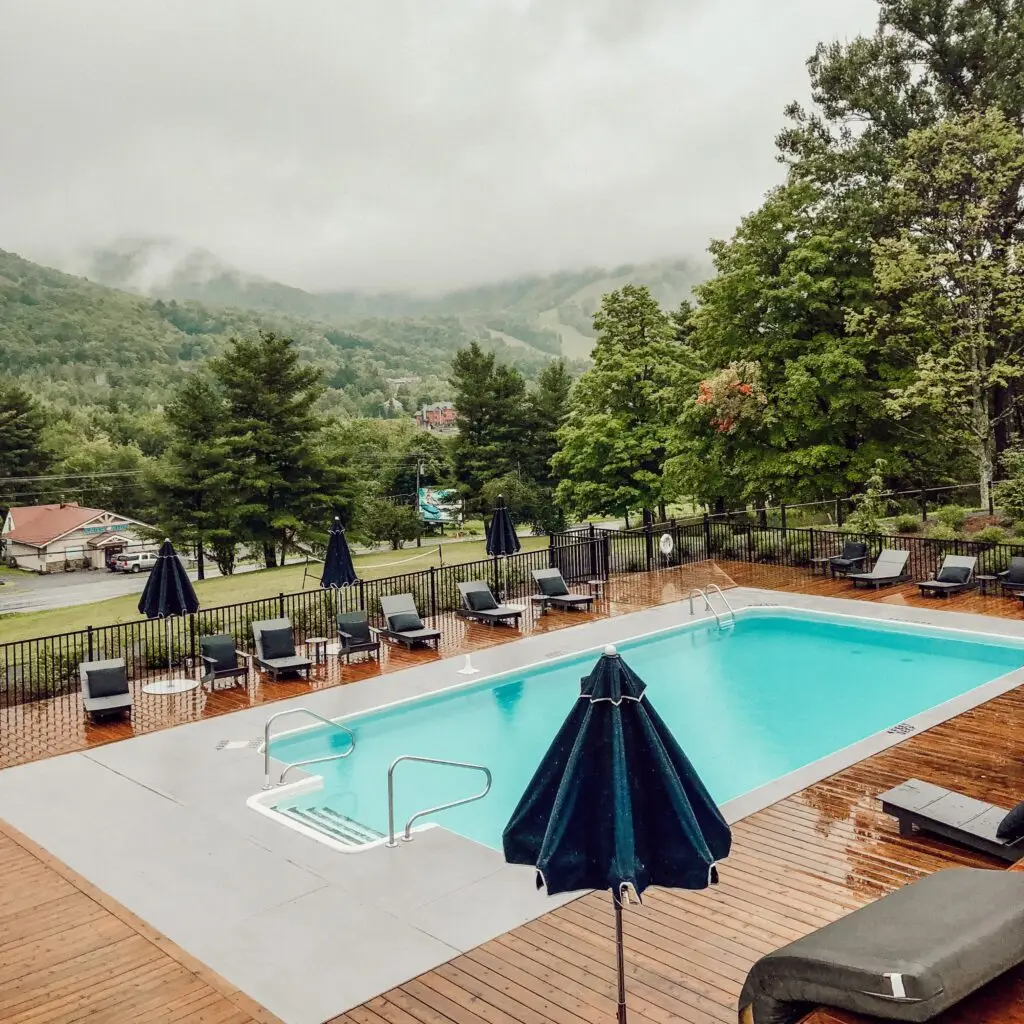
Spa and hot tub repair
In-ground and portable
What’s included
What a Spa and Hot Tub Repair Covers in Phoenix
The spa gets used on a Friday night, so it fails on a Friday night. Half the jets are dead. Your blower groans and nothing comes out. The pool will not switch to spa mode. The panel flashes a code, the breaker trips when the heater kicks on, or the water level drops an inch a day.
Spa failures compound. Weak jets usually mean a clogged or cracked diverter, and running the pump against it strains the seal. Blowers with a failed check valve fill with water and burn out. Leaks at a jet body soak the equipment vault. And a spa that cannot get to temperature gets left cold, which in Phoenix means algae in the footwell within a week.
Spa repair from The Pool Shack starts with the mode the spa is in and the code on the panel. Jets, diverters and air controls are cleared, rebuilt or replaced. Blowers, check valves, actuator valves and spa-side switches are tested and swapped. Pump seals, heater elements, control packs and GFCI faults are traced to the part. Leaks are found at the jet gaskets, manifold, pump or shell and fixed there. The spa is refilled, balanced for hot water and run through a full heat cycle.
Is it time?
Signs a Phoenix Spa or Hot Tub Needs Repair
Each of these has a short list of causes. The code, the mode and the sound narrow it down before the panel comes off.
Licensed, bonded, insured
Arizona KA-5 dual license
Why it matters
Why Spa Repair in Phoenix Is Its Own Trade
A spa packs a pump, a heater, a blower, a dozen jets, valves, sensors and a control system into a small space. All of it runs hot. Every part is under more stress per gallon than anything on the pool. In Phoenix it also sits in the sun all summer and runs hard all winter. Here is what fails on attached spas and hot tubs, and what a proper spa repair does about each.
Weak or dead spa jets: diverters, air controls and what clogs a Phoenix spa
Jets fail in groups. Half weak and half strong means the diverter valve that splits flow between them has cracked, worn or jammed. One dead jet has a body clogged with calcium, a hair tie or a piece of plaster, or a cracked insert. Every jet weak means the problem is upstream: a loaded filter, a clogged pump basket, an air control stuck closed or a pump losing prime.
Phoenix water adds calcium to that list. Scale grows inside jet bodies and diverters the same way it grows on the tile. A jet that has been weak for a season is often just plugged with it. Jets are pulled, soaked and cleared or replaced. Diverters are rebuilt with new o-rings or replaced as a unit. On attached spas, weak jets are usually a spa-mode flow problem, which is where the valves come in.
Spa mode, actuator valves and spillover: repairs on an attached Phoenix spa
An in-ground spa attached to the pool shares the equipment. It switches between pool mode and spa mode with motorized actuator valves on the suction and return lines. When an actuator fails, the spa cannot isolate. The jets stay weak because water is still going to the pool. The heater warms the whole pool instead of the spa, and the spillover runs when it should not. A failed actuator is one of the most common spa calls in Phoenix.
Actuators fail from heat, from a stripped gear, from a broken cam or from a valve that has seized and burned the motor. The valve is checked for free movement first, because a new actuator on a stuck valve fails again in a month. Then the actuator is replaced and the cams set so the valve stops where it should. Spa-side switches and remotes that trigger the mode change get tested at the same time.
Blower repair: air, check valves and the water that kills a spa blower
The blower forces air through the jets for the bubbling effect, and it lives above the water line for a reason. A check valve in the air line stops water from running back into the blower when it shuts off. When that check valve fails, water flows into the blower motor, and the next time it starts it hums, trips the breaker or dies. A blower that trips the GFCI is almost always wet inside.
The repair is a new blower and a new check valve together, mounted higher if the original was too low. A blower that runs but pushes no air has a blocked line or a cracked manifold under the spa. On hot tubs the blower is inside the cabinet next to the pump, and a failed one is replaced as a unit. Blowers are also a source of debris in the water, since the air line pulls in dust. That is another reason to check them at every spa service.
Hot tub controls, error codes and the parts behind FLO, OH and dr
Portable hot tubs run on a control pack that manages the pump, heater, blower and light from a topside panel. The codes it shows are the start of the diagnosis. FLO or FLC means the flow switch or pressure switch is not seeing enough water through the heater. That is usually a dirty filter or a failing pump. OH means overheat, from a clogged filter, a pump stuck on high or a bad temperature sensor. dr means dry, the heater has no water in it.
The heater element, the flow switch, the sensors and the relays on the board are tested in order.
A heater element that has failed often trips the GFCI too, because the element shorts to ground through the water. Control packs are replaced when the board is damaged. On older hot tubs with discontinued packs, a universal replacement is fitted with a new topside panel. Ozonators and UV units, common on newer tubs, get checked as part of the same visit. So does the topside itself, since a panel baked by Phoenix sun fails its buttons long before the board behind it does.
Spa leaks: jet gaskets, manifolds, pump seals and how a leak is found
A spa that loses water every day has a leak, and on a spa the list of places is long. Every jet body has a gasket on both sides of the shell. Each branch of the manifold that feeds the jets is a glued joint. The pump has a shaft seal and unions. Heaters have gaskets at both ends. Hot tubs add the shell itself and the foam insulation that hides everything.
Finding the leak is most of the job. The water level is marked and watched with the pump off and then on, which separates a plumbing leak from a shell leak. Dye is used at each jet with the water still.
On hot tubs the cabinet panels come off and the foam is cut back to the wet spot.
Jet gaskets are the most common fix, then a glued fitting on the manifold, then the pump seal.
On attached spas, the dam wall and the light niche are checked too, because the spa shares the pool’s structural leak points. Those get the scuba treatment on our underwater repairs page, without draining anything.
Spa pump repair and the small pump that works harder than the pool pump
A hot tub pump is a small pump that runs hot water with a heavy bather load. It usually runs two speeds, low for circulation and high for jets. Its failures are the same as any pump: a capacitor, a shaft seal, bearings or a wet end that has cracked from heat. A pump that runs on low but not high, or the reverse, has a failed winding or relay. A pump that hums and trips the breaker has seized.
On attached spas the pool pump does the work in spa mode. A spa that will not push its jets is often a pump problem that also shows in the pool. Seals, capacitors and impellers are replaced on site. When a hot tub pump motor is gone, a matched replacement pump is fitted. Pump curves matter more on a spa than on a pool. A wrong pump gives weak jets or trips the heater on high flow.
Spa heaters: elements, exchangers and why the spa will not reach temperature
Attached spas heat with the pool heater, and a spa that heats slowly is asking about the heater’s size, its exchanger and its flow. A gas heater that cannot get a 500-gallon spa from 70 to 102 in about an hour is scaled, undersized or starved of flow. That work lives on the pool heater repair page, but the spa visit is where it usually gets found.
Hot tubs heat with an electric element inside a stainless tube. Elements fail from scale, from running dry and from age, and a failed element either heats nothing or trips the GFCI. The element is tested for resistance and for a short to ground, and replaced with the gaskets.
A hot tub that heats but takes forever usually has a heater that is fine and a cover that is waterlogged. A wet cover lets heat out faster than the element can put it in. Covers get checked on every heater call. In Phoenix a cover also bakes, and a cracked vinyl skin soaks the foam within one monsoon season.
Spa repair cost in Phoenix and what a hot tub repair usually runs
Phoenix market pricing in 2026 runs about $100 to $200 for a diagnostic visit and $150 to $400 for jet and diverter work. Blowers with a check valve run $300 to $600, and an actuator valve $250 to $500. Hot tub heater elements run $300 to $500. A spa pump runs $500 to $900 installed, and a control pack with topside $600 to $1,200. Leak repairs run $300 to $1,000 depending on where the leak is. Those are market ranges, not our quote.
The number moves with access. An attached spa with equipment on a pad is quick. A hot tub with a leak buried in foam is not. Parts availability matters too, since older portable spas often need universal parts. What a repair rarely costs is more than a new spa, so most of them are worth doing.
Spa repair from North Phoenix to Scottsdale and Cave Creek by a licensed crew
The Pool Shack repairs attached spas and standalone hot tubs across North Phoenix, Scottsdale, Paradise Valley, Cave Creek, New River and Glendale. Every call runs from our North Phoenix base. The work runs under an Arizona KA-5 dual license, which covers service and construction. Actuators, spa-side controls and heaters touch electrical and gas, and a license stands behind that work on a home.
Hayward, Pentair and Jandy equipment on attached spas is the bulk of the calls, along with the common portable spa control packs and pumps. Spas on our weekly pool service route get their jets, blower and mode switch run every visit. A sticking actuator gets caught before a Friday night. A spa that also needs a drain and line flush gets spa cleaning on the same trip. Family-owned since 2015, licensed, bonded and insured.
Getting started
How a Spa Repair Runs
1
Mode, code and sound checked
Spa run in spa mode, the panel code recorded, jets, blower and heater listened to before anything comes apart.
2
Failed part traced and replaced
Diverters, actuators, blowers, elements, seals, boards and gaskets replaced with matched parts, leaks dye tested.
3
Refilled, balanced and heat cycled
Spa brought to temperature, jets and blower run, chemistry set for hot water, and the fix confirmed before we leave.
Get a quote
Get a Quote for Spa Repair
Tell us if the spa is attached to the pool or a standalone hot tub, the brand, and what it does or shows on the panel. We will price the repair in writing.
Related services
Services That Go With Spa Repair
Spa Cleaning
Line flush, drain, scrub and refill balanced for hot water, often the fix behind weak jets and foam.
Learn More
Pool Heater Repair
The gas heater an attached spa depends on, diagnosed from the code and fixed by the same crew.
Learn More
Pool Pump Repair
The pump that runs the spa jets in spa mode, with seals, capacitors and motors replaced on site.
Learn More
Common questions
Spa Repair Questions From Phoenix Spa and Hot Tub Owners
Why are some of my spa jets not working?
Half weak and half strong is a failed diverter valve. One dead jet is a clogged or cracked jet body, often calcium in Phoenix. All jets weak is upstream: a dirty filter, a clogged basket or a pump losing prime.
How much does hot tub repair cost in Phoenix?
Market rates in 2026 run about $100 to $200 to diagnose, $300 to $500 for a heater element, $500 to $900 for a pump, $600 to $1,200 for a control pack and $300 to $1,000 for leaks.
Why won’t my pool switch to spa mode?
An actuator valve has failed or the valve under it has seized. The spa cannot isolate, so jets stay weak and the heater warms the pool. The valve is freed first, then the actuator replaced and the cams set.
What do FLO, OH and dr mean on my hot tub panel?
FLO is low flow through the heater, usually a dirty filter or a tired pump. OH is overheat, from a clogged filter, a pump stuck on or a bad sensor. dr means the heater is dry.
Do you repair spas and hot tubs in Scottsdale, Cave Creek and New River?
Yes. Spa and hot tub repairs run from our North Phoenix base across North Phoenix, Scottsdale, Paradise Valley, Cave Creek, New River and Glendale. Call (480) 798-2888 with the brand and symptom.
Why does my spa blower trip the breaker?
Water has gotten into the blower motor, almost always through a failed check valve in the air line. The blower and check valve are replaced together, and the blower mounted higher if the original sat too low.
Why is my hot tub losing water?
A leak at a jet gasket, a glued manifold joint, the pump seal or a heater gasket. The level is watched with the pump off and on to separate plumbing from shell leaks, then dye tested at the wet spot.
Why does my hot tub trip the GFCI when the heater comes on?
The heater element is shorting to ground through the water, which happens as elements scale and age. Less often it is a wet blower or an ozonator. The element is tested for a ground fault and replaced with new gaskets.
Why does my attached spa take so long to heat up?
Usually the pool heater: scaled exchanger, low flow or undersized for the spa. A 500-gallon spa should go from 70 to 102 in about an hour on a healthy gas heater. Slow heating gets traced to the heater.
Is it worth repairing an old hot tub?
Usually. Pumps, elements, blowers and even control packs can be replaced with universal parts on tubs whose parts are discontinued. A cracked shell or rotted frame is the point where a new tub makes more sense.
Where We Work
Proudly Serving the Phoenix Area
- Phoenix
- Scottsdale
- Tempe
- Mesa
- Chandler
- Gilbert
- Glendale
- Peoria
Ready When You Are
Book a Spa Repair in North Phoenix
Jets, blowers, valves, heaters, leaks and controls on spas and hot tubs fixed by a KA-5 licensed, family-owned crew, from North Phoenix across the Valley.