
Spa Cleaning in Phoenix, AZ
Spa cleaning in Phoenix, AZ is a different job from cleaning the pool it sits next to. The Pool Shack tests and balances spas separately, flushes the jet lines and drains and refills on a schedule. The shell, filter and cover get cleaned on every drain. Attached spas and standalone hot tubs, from our shop in North Phoenix to Scottsdale, Cave Creek, New River and Glendale.
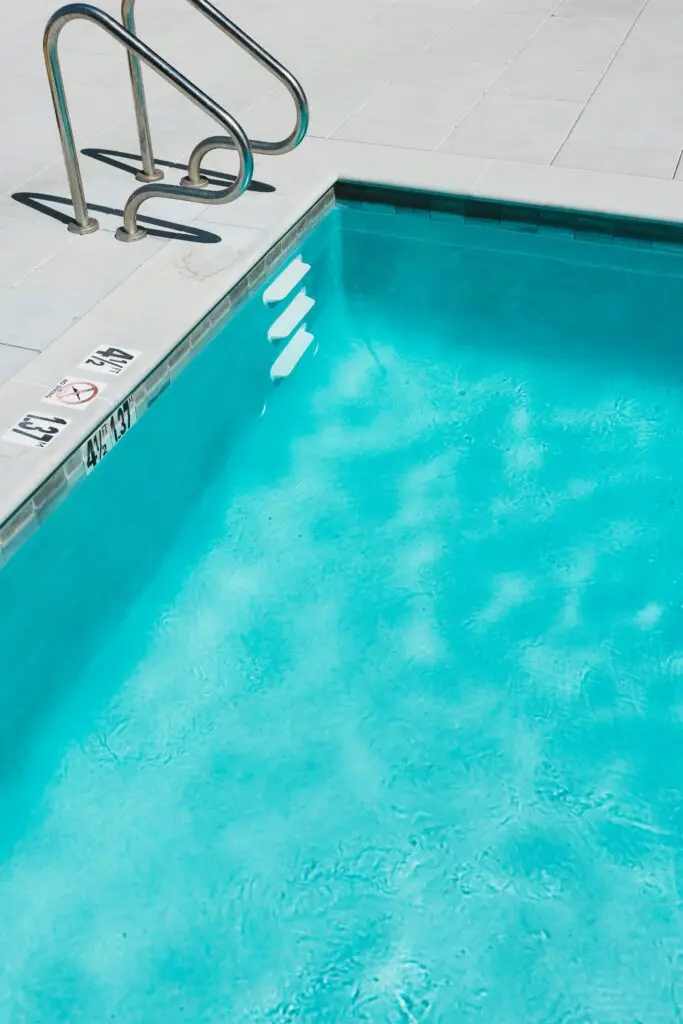
Attached spas and hot tubs
Spillover, portable, in-ground
What’s included
What a Spa Cleaning Service Covers in Phoenix
The spa is where the complaints start. It foams when the jets come on. It smells like a locker room. The water is cloudy two days after it was clear, and somebody came out of it with an itchy rash on their back. The pool guy tests the pool every week and never puts a strip in the spa.
A spa punishes neglect faster than any pool. It holds 300 to 1,000 gallons at 100 degrees or more. Four people in a spa is the bather load of forty in a pool. Chlorine is gone within an hour of use. Bacteria that cause hot tub rash grow in exactly that warm water. The biofilm they live in sits inside the jet plumbing where shock never reaches.
Spa cleaning from The Pool Shack treats the spa as its own body of water. It is tested and balanced on its own, with sanitizer, pH, alkalinity and calcium set for hot water. On a drain visit the jet lines are flushed first. Then the spa is drained, the shell scrubbed and the waterline scale removed. The filter is cleaned, the cover wiped inside and out, and the heater and blower get a look. It refills, gets balanced from scratch and comes back to temperature.
Is it time?
Signs a Phoenix Spa Needs a Real Cleaning, Not More Shock
Most of these are the water telling you the spa is overdue for a drain, a line flush or both.
Licensed, bonded, insured
Arizona KA-5 dual license
Why it matters
Why Spa Cleaning in Phoenix Is Not Pool Cleaning at a Smaller Scale
A spa is a small volume of hot water with a lot of people in it. Every number that governs a pool moves faster in a spa, and some of them move the other way. Then add the Phoenix side of it: hard fill water, dust and a spa that runs most of the year. A weekly pool test with the spa thrown in is not enough. Here is what makes spa water different and what a proper spa cleaning does about each part.
Bather load: why four people in a Phoenix spa is forty in a pool
A backyard pool holds 15,000 to 25,000 gallons. The spa beside it holds 300 to 1,000. The same four people bring the same sweat, sunscreen, lotion and skin into both. In the spa that load lands in a fraction of the water. Hot water makes it worse. People sweat more at 100 degrees than at 85, and the jets scrub oils off skin and into the water.
The result is a sanitizer demand that no pool sees. A spa that tests at 3 ppm before a soak can test at zero an hour later. That is why spa water has to be tested on its own, before and after use. A spa on a weekly pool route needs its own numbers, not the pool’s. It is also why the water in a spa has a short life no matter how well it is treated.
A spa used on a Saturday night by six guests has taken more load in three hours than the pool takes in a month.
Spa water chemistry: sanitizer, pH and calcium set for 100-degree water
Hot water changes the targets. Free chlorine in a spa is held at 3 to 5 ppm, higher than a pool, because it is used up so fast. Combined chlorine, the used-up chlorine that causes the smell, is allowed up to 0.5 ppm in a spa against 0.2 in a pool. Anything above that means the water needs a shock or a drain. Bromine is common in spas because it stays active in heat and does not produce the same smell.
Either way the sanitizer is checked before the spa is used and again after, because the second reading is the one that matters. Spa chemistry is a habit, not a weekly event.
pH runs high in a spa. Hot water and jet aeration drive off carbon dioxide, and pH climbs toward 8 within days. Alkalinity of 80 to 120 ppm buffers it.
Calcium hardness matters more here than in the pool, because scale forms faster in hot water. A spa that is balanced for pool temperatures scales its heater and jets within a season. The saturation index has to be worked out at spa temperature. In Phoenix the fill water is already high in calcium before the heater ever runs.
Hot tub rash and biofilm: the part of spa cleaning that shock cannot reach
The rash people get from a spa is folliculitis, caused by Pseudomonas bacteria that grow best in warm water. They live in biofilm, a slimy layer that coats the inside of the jet plumbing, the air lines and the underside of the shell. Biofilm protects bacteria from sanitizer, so a spa can test fine and still cause a rash. Shocking the water does not touch it.
The fix is a line flush. A plumbing cleaner circulates through the jets and air channels for an hour or more before a drain. It breaks the biofilm loose and sends it out with the old water. The foam and brown scum that come up during a flush are the biofilm leaving. Skipping the flush and just draining the spa leaves the biofilm in place to seed the fresh water. That is why a real spa cleaning always flushes first and drains second.
Foam, cloudy water and smell: what each one says about a Phoenix spa
Foam is surfactants. Body lotion, sunscreen, detergent left in swimsuits and cheap chemicals all lower the surface tension of the water, and the jets whip it into foam. A defoamer hides it for a day. The real answer is a filter cleaning and, if the water is old, a drain. Cloudy water in a spa is usually a loaded filter, low sanitizer or high total dissolved solids. TDS climbs fast in a spa because the volume is small.
The smell is combined chlorine. It is chlorine that has already done its job on sweat and urine and is now floating in the water as chloramines. A spa that smells strongly of chlorine has too little active chlorine, not too much. A shock oxidizes it away for a while. When the smell comes back within days, the water has too much load in it to save and needs to be replaced.
How often a spa in Phoenix should be drained, and the formula that decides it
There is a working rule for spa water life. Divide the spa’s volume in gallons by three times the number of people who use it each day. The answer is the number of days the water lasts. A 400-gallon spa used by two people a day gets about 66 days. The same spa used by four people gets 33. That is why most Phoenix spas are drained every two to four months, and a busy one monthly.
Phoenix adds two reasons to drain sooner. Evaporation concentrates calcium and dissolved solids in a spa faster than in a pool. The surface is large for the volume and the water is hot. And the fill water that replaces it is hard, so calcium climbs from day one. When alkalinity and pH will not hold and the water feels harsh, the drain date has arrived regardless of the calendar.
The spa filter, the cover and the heater: what wears out in a Phoenix spa
A spa filter is small and takes a heavy load. It needs cleaning far more often than the pool filter, monthly in a used spa. Oils clog it first and calcium crusts over them, so it is degreased before it is ever acid-cleaned. A cartridge that stays soft and oily after cleaning gets replaced. Spa cartridges rarely last more than a year in regular use.
The cover is the other neglected part. It traps heat and dust and grows mildew on the underside, which drops back into the water every time it opens. It gets wiped down inside and out on every cleaning. The heater gets a look for scale on the element or exchanger, because hard water and high temperature deposit calcium there first. On a spillover spa that shares the pool heater, that check protects the pool as well.
Jets and the air blower get run and listened to. A jet that has lost pressure is usually a clogged line or a failed diverter, and a blower that has gone quiet is often a burned motor. Both are cheaper to catch on a cleaning visit than on a Friday night with guests on the way.
Spillover spas and standalone hot tubs: two kinds of spa cleaning in Phoenix
Most Phoenix backyards have an in-ground spa attached to the pool. It shares the pump, filter and heater, and the water spills over into the pool when the system runs in pool mode. That does not make it pool water. In spa mode the same 500 gallons circulate on their own, heat up and take the bather load alone. It has to be tested in spa mode, and the shared filter gets the spa’s oils along with the pool’s dust.
Standalone hot tubs have their own pump, heater, filter and cover, and they are usually run hotter and used more often. They need the full drain-and-flush routine on a schedule. Both kinds are on The Pool Shack’s routes. The difference is in how the chemistry is managed and how the drain is done, and the crew handles both from the same visit.
What spa cleaning costs in Phoenix and what a drain visit includes
Phoenix market pricing in 2026 runs about $150 to $300 for a full spa drain, flush, clean and refill on a standalone hot tub. An attached spa that shares pool equipment runs a bit less. Adding the spa to a weekly pool route usually adds $20 to $40 a month. Filter cartridges and chemicals to rebalance fresh fill water are extra. Those are market ranges and not our quote.
A real drain visit runs in this order. Line flush with the jets on. Drain to waste, in Phoenix to the sewer cleanout, not the street. Shell scrubbed, waterline scale removed, jets and drain cover checked. Filter degreased and cleaned or replaced. Cover cleaned. Refill, then alkalinity, pH, calcium and sanitizer set for hot water, then heat. A cheap drain skips the flush and the scrub and refills the same biofilm.
Spa cleaning from North Phoenix to Scottsdale and Cave Creek by a licensed crew
The Pool Shack cleans attached spas and standalone hot tubs across North Phoenix, Scottsdale, Paradise Valley, Cave Creek, New River and Glendale. Every visit runs from our North Phoenix base under an Arizona KA-5 dual license. When a cleaning turns up a failed jet, a leaking pump seal or a scaled heater, the same crew can handle the spa repair instead of referring it out.
Spas on our weekly pool service route get tested and balanced on their own every visit. Drains are scheduled by the formula and the water, not by a fixed date. One-time drain and clean visits are priced in writing after we see the spa. Family-owned since 2015, licensed, bonded and insured, and used to Hayward, Pentair and Jandy spa equipment.
Getting started
How a Spa Cleaning Visit Runs
1
Water and equipment checked
Sanitizer, pH, alkalinity and calcium tested at spa temperature, filter and jets inspected, drain date set by use.
2
Flush, drain and scrub
Jet lines flushed with the pump running, then drained to the sewer cleanout, shell scrubbed and scale removed.
3
Refill, balance and heat
Fresh fill balanced for hot water before the heater runs, filter and cover cleaned, spa handed back ready to use.
Get a quote
Get a Quote for Spa Cleaning
Tell us the spa size, attached or standalone, chlorine or bromine, and how often it is used. We will price a cleaning or a route in writing.
Related services
Services That Go With Spa Cleaning
Weekly Pool Service
Pool and spa tested separately every week, with spa drains scheduled by use instead of guesswork.
Learn More
Spa Repair
Jets, blowers, pump seals, heaters and controls fixed by the same licensed crew that cleans the spa.
Learn More
Pool Heater Repair
Scaled exchangers and failed igniters on the heater the spa depends on, diagnosed and repaired.
Learn More
Common questions
Spa Cleaning Questions From Phoenix Spa and Hot Tub Owners
How often should a hot tub be drained in Phoenix?
Every two to four months for most spas, monthly for a busy one. Divide gallons by three times daily bathers for the number of days the water lasts. Hard fill water and evaporation push Phoenix spas toward the short end.
How much does spa cleaning cost in Phoenix?
Market rates in 2026 run about $150 to $300 for a full drain, flush, clean and refill on a hot tub, less for an attached spa. Adding a spa to a weekly route runs $20 to $40 a month.
Why does my spa foam when the jets turn on?
Surfactants from lotion, sunscreen, detergent in swimsuits and low-grade chemicals. A defoamer hides it for a day. Cleaning the filter helps, and if the water is more than a couple of months old, a drain is the fix.
What causes hot tub rash and how do you get rid of it?
Pseudomonas bacteria living in biofilm inside the jet plumbing, where shock does not reach. A plumbing flush before a drain breaks the biofilm loose and removes it with the old water. Fresh fill is balanced at 3 to 5 ppm.
Do you clean spas and hot tubs in Scottsdale, Cave Creek and New River?
Yes. Spa cleaning and drains run from our North Phoenix base across North Phoenix, Scottsdale, Paradise Valley, Cave Creek, New River and Glendale. Call (480) 798-2888 with the spa size and type.
Is spa water chemistry different from pool water chemistry?
Yes. Chlorine is held higher, at 3 to 5 ppm. Combined chlorine is allowed up to 0.5 ppm. pH climbs faster from heat and aeration, and calcium scales sooner. Targets are set at spa temperature, not pool temperature.
Why does my spa smell like chlorine even though I just added some?
The smell is combined chlorine, the used-up kind. It means too little active chlorine, not too much. A shock clears it for a while. If it returns within days, the water is carrying too much load and needs a drain.
Does an attached spillover spa need separate cleaning from the pool?
Yes. In spa mode it circulates, heats and takes bather load on its own, so it is tested in spa mode with its own targets. The shared filter also takes the spa’s oils and needs cleaning more often.
How often should a spa filter be cleaned?
Monthly in a spa that gets regular use, and at every drain. It is degreased before any acid cleaning so oils do not set in the fabric. A cartridge that stays soft and oily after cleaning gets replaced.
Where does the spa water go when you drain it in Phoenix?
To the sewer cleanout at the house, which is what the City of Phoenix requires. Draining to the street needs a permit and dechlorinated water. Spa water is small enough to drain in under an hour.
Where We Work
Proudly Serving the Phoenix Area
- Phoenix
- Scottsdale
- Tempe
- Mesa
- Chandler
- Gilbert
- Glendale
- Peoria
Ready When You Are
Book a Spa Cleaning in North Phoenix
Spas and hot tubs flushed, drained, scrubbed and balanced for hot water by a KA-5 licensed, family-owned crew, from North Phoenix across the Valley.