
Pool Filter Repair in Phoenix, AZ
Pool filter repair in Phoenix, AZ starts with finding which part failed. A filter leak, a puff of DE and sand in the pool each point to a different piece. The Pool Shack diagnoses cartridge, DE and sand filters, fixes what can be fixed and tells you plainly when a tank is done. Hayward, Pentair and Jandy filters, from our shop in North Phoenix to Scottsdale, Cave Creek, New River and Glendale.
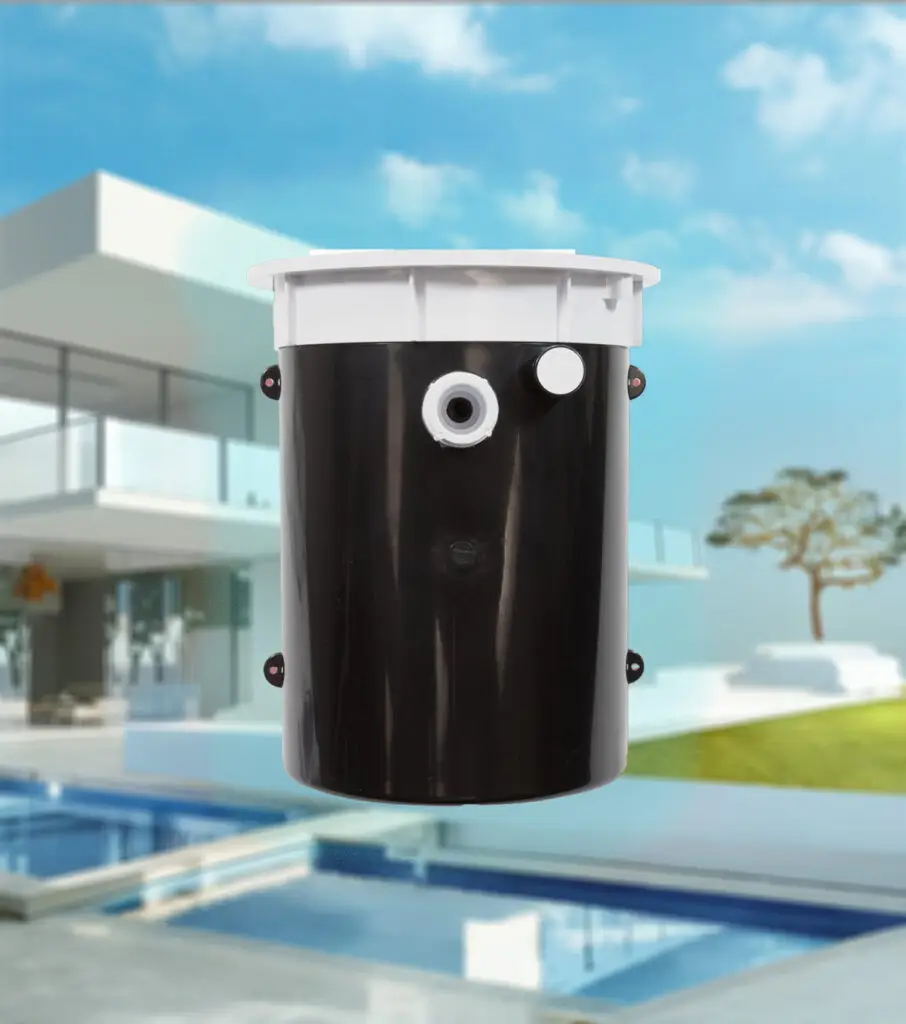
Cartridge, DE and sand
Hayward, Pentair, Jandy
What’s included
What a Pool Filter Repair Covers in Phoenix
The first sign is usually water where it should not be. A drip from the clamp band that became a spray. Water running out of the backwash line while the valve says filter. DE powder or sand on the pool floor after every cleaning. Or a gauge that has read the same number for a year.
Your filter is a pressure vessel, and pressure finds every weak part. Valves that leak drain hundreds of gallons a week to waste. In Phoenix that means a pool that never holds its level and a water bill that climbs. Cracked manifolds send grit through the heater. Lids that were not seated can let go with real force when the pump kicks on.
Pool filter repair from The Pool Shack begins with the pump off and the tank depressurized. The lid o-ring, clamp band, air relief, gauge, manifold, grids or cartridges, laterals and the multiport or slide valve are each checked. Failed parts are replaced with the maker’s parts. The filter is reassembled to spec, pressure tested, and the clean pressure written on the tank. When the tank itself is cracked, we say so and quote a replacement. No epoxy holds on a tank that cycles pressure every day.
Is it time?
Signs a Phoenix Pool Filter Needs Repair, Not Another Cleaning
A cleaning fixes a loaded filter. These point to a part that has failed, and cleaning will not change them.
Licensed, bonded, insured
Arizona KA-5 dual license
Why it matters
Why Pool Filter Repair in Phoenix Is About the Right Part, Not a Patch
A pool filter has about a dozen parts that can fail, and each one produces its own symptom. The trick to a good repair is reading the symptom correctly, because the wrong fix costs money twice. Phoenix adds heat that cooks o-rings, sun that embrittles tank lids and hard water that scales everything. Here is what fails on a Phoenix pool filter and how to tell the failures apart.
Why a pool filter leaks: clamp bands, lid o-rings and the Phoenix sun
Most filter leaks come from the seam where the two halves of the tank meet. A large o-ring sits in that seam, and a clamp band holds it under compression. In Phoenix the o-ring dries, flattens and cracks within a few seasons, and the clamp band corrodes or loses its spring. The result is a weep that becomes a spray as pressure rises. On a single-piece tank with a lid, the same thing happens at the lid o-ring.
The repair is a new o-ring, lubricated with silicone, and a clamp band tightened to the maker’s spec, not until it stops leaking. Overtightening cracks the tank flange. A leak at the base or along the body of the tank is a different story. That is a cracked tank, and it gets replaced. A tank that has been epoxied once will leak again, usually in July when it is under the most pressure.
Sun does its own damage. Filter lids and tank tops that sit in full Phoenix sun for a decade go chalky and brittle, and a lid that cracks at the threads cannot hold pressure. Lids are replaced, not glued, for the same reason tanks are.
Multiport and slide valve leaks: why water runs out the backwash line
Water leaving through the backwash line while the valve is set to filter means the valve is leaking internally. On a multiport valve the cause is almost always the spider gasket, a star-shaped rubber seal that separates the ports. It wears, tears or gets a grain of sand under it, and water crosses to the waste port. A pool that loses an inch a week with no wet spot in the yard is often a spider gasket.
The valve gets opened, the gasket replaced and the handle checked for a bent or worn stem. On push-pull slide valves the o-rings on the plunger do the same job and fail the same way.
Turning a multiport handle with the pump running is what tears most spider gaskets, so the repair includes a word about that. A valve body that is cracked from a freeze or from age is replaced as a unit. Phoenix does freeze a few nights a year, and a valve full of water on one of them is a common January repair.
DE in the pool: torn grids, cracked manifolds and what a DE filter repair involves
A white cloud at the return jets after a backwash or recharge means DE powder is passing through the filter. Something between the powder and the pool has failed. The usual suspects are a torn grid fabric, a cracked grid frame, a broken manifold that the grids plug into, or a bad manifold gasket. A missing air bleed tube does it too. Any one of them leaves a gap that powder fits through.
The grid assembly comes out and every grid is checked, because a hairline tear hides until the grid is held to the light.
Grids are also checked for stiffness, since fabric that has gone soft with age will tear again within a season. Torn grids are replaced individually. A cracked manifold is replaced as a unit, and on older filters that sometimes means the whole assembly. The filter goes back together and gets precoated with the rated amount of powder. Then it is watched at the returns for a full cycle before the job is called done.
Sand in the pool: broken laterals and the sand filter repair that fixes it
Sand on the pool floor near the returns means the sand filter’s laterals have failed. Laterals are the slotted fingers at the bottom of the tank that let water out and keep sand in. They crack from age, from a rough sand change or from being stepped on during a repair. One cracked lateral passes sand every time the pump runs, and a backwash makes it worse.
The repair means removing the sand, replacing the broken laterals and often the whole hub, and checking the standpipe for cracks. Then fresh sand goes back in. It is done together with a pool sand change, because old sand cannot be shoveled back around new laterals without damaging them. A filter that is passing sand and is more than fifteen years old is usually a candidate for replacement instead. New laterals in an old tank with a tired valve rarely make sense.
Cartridge filter repair: cracked bands, collapsed elements and air in the tank
Cartridge filters have the fewest parts, so their failures are simple. A cartridge with a cracked end cap or a split band lets dirty water bypass the fabric. The pool clouds no matter how clean the element is. A cartridge that has collapsed inward has been run too long past its cleaning pressure. Both get replaced, because there is no repair for a cartridge.
Air is the other cartridge complaint. A tank that hisses at start-up or sends a stream of bubbles to the returns has air getting in. It comes in on the suction side or sits trapped in the tank.
The air relief valve on top is meant to purge it, and in Phoenix dust clogs it. A stuck air relief is replaced. If bubbles continue, the leak is at the pump lid, the pump union or a suction-side fitting. That is pool pump repair territory and gets handled on the same visit.
The pressure gauge and air relief: the two cheapest pool filter repairs in Phoenix
The pressure gauge is the only instrument on the filter, and it is the one part nobody replaces. A gauge that reads the same with the pump on and off, or that is stuck at a number, is telling you nothing. Sun and vibration kill them within a few years. A new gauge costs little and is how the filter tells you when it needs cleaning, so it is replaced without debate.
The air relief valve sits beside it and bleeds trapped air out of the tank so water fills it completely. Clogged or broken, it leaves an air pocket at the top of the tank. That means less filter area in use, higher pressure and a tank that spits when it opens. Both parts are replaced on almost every filter repair visit as a matter of course.
A new gauge also gets a mark at the clean pressure, so the owner can read the filter at a glance for the next few years. It is the cheapest upgrade on the pad.
Repair or replace: when a Phoenix pool filter is worth fixing
A filter is worth repairing when the tank is sound and the failed part is available. O-rings, gaskets, gauges, air reliefs, grids, laterals and valves are all repairable and cost far less than a new filter. A filter is not worth repairing when the tank is cracked or the model is old enough that parts are discontinued. The same goes when the repair bill passes about half the cost of a new filter of the right size.
Phoenix pools also outgrow their filters. A filter sized for a pool without a spa or a water feature runs at high pressure all the time once those are added. Every part fails sooner. When that is the situation, the honest recommendation is a larger pool filter installation, not another repair. Either way you get the answer in writing with the price beside it. A repair that only buys a season is not a repair we recommend, and we will say so.
Pool filter repair cost in Phoenix and what moves the number
Phoenix market pricing in 2026 for common pool filter repairs runs about $100 to $250 for an o-ring and clamp band service. A multiport valve gasket rebuild runs $150 to $350. DE grid or manifold replacement runs $200 to $600. Sand filter laterals with new sand run $300 to $700. A full cartridge set runs $150 to $500 in parts depending on the filter. Those are market ranges, not our quote.
The number moves with the brand, the age of the filter and how many parts failed together. On an old filter that is often several. It also moves with what the leak has already cost. A valve that has been leaking to waste for a summer has been adding water and chemicals every week. That bill never shows up on the repair invoice.
Pool filter repair from North Phoenix to Scottsdale and Cave Creek by a KA-5 crew
The Pool Shack repairs cartridge, DE and sand filters across North Phoenix, Scottsdale, Paradise Valley, Cave Creek, New River and Glendale. Every job runs from our North Phoenix base under an Arizona KA-5 dual license, which covers service and construction. That matters on a filter. Replacing a tank or repiping a valve is construction work in Arizona, and a chemical-only route cannot legally do it.
Hayward, Pentair and Jandy filters are the bulk of the work, and their parts are stocked for the common failures. Pools on our weekly pool service route get the filter looked at every visit. A weeping clamp band gets caught before it is a spray. One-time repairs start with a diagnosis and a written price. Family-owned since 2015, licensed, bonded and insured.
Getting started
How a Pool Filter Repair Runs
1
Pump off, tank depressurized, symptom traced
Leak, DE, sand, air or pressure, followed to the part that caused it before anything is ordered.
2
Failed parts replaced with the maker’s parts
O-rings, gaskets, grids, laterals, valves and gauges, reassembled to spec and never overtightened.
3
Pressure tested and baselined
Filter run up to pressure, watched at the returns, and the clean pressure written on the tank.
Get a quote
Get a Quote for Pool Filter Repair
Tell us the filter brand and type, and what you are seeing at the tank, the valve or in the pool. A photo helps. We will price the repair in writing.
Related services
Services That Go With Pool Filter Repair
Pool Filter Cleaning
Cartridges and grids degreased and cleaned properly, the fix when the filter is loaded, not broken.
Learn More
Pool Filter Installation
A new, correctly sized filter when the tank is cracked, parts are gone or the pool has outgrown it.
Learn More
Pool Sand Changes
Fresh sand around new laterals, and old channeled sand replaced when a backwash no longer clears the water.
Learn More
Common questions
Pool Filter Repair Questions From Phoenix Pool Owners
Why is my pool filter leaking?
Most often a dried lid or clamp band o-ring, next a worn multiport spider gasket sending water out the backwash line. A leak from the tank body or base is a crack, which means replacement, not repair.
How much does pool filter repair cost in Phoenix?
Market rates in 2026 run about $100 to $250 for o-ring and clamp service, $150 to $350 for a valve gasket rebuild, $200 to $600 for DE grids or a manifold and $300 to $700 for sand laterals with sand.
Can a cracked pool filter tank be repaired?
Not reliably. Epoxy and patch kits fail under daily pressure cycling, usually in summer. A cracked tank is replaced. Cracked lids, manifolds and valve bodies are also replaced as units, never glued.
Why is DE powder coming back into my pool?
A torn grid, a cracked grid frame, a broken manifold or a bad manifold gasket is letting powder through. The grid assembly comes out to find it. Torn grids are replaced singly, manifolds as a unit.
Do you repair pool filters in Scottsdale, Cave Creek and New River?
Yes. Filter repairs run from our North Phoenix base across North Phoenix, Scottsdale, Paradise Valley, Cave Creek, New River and Glendale. Call (480) 798-2888 with the brand and what you are seeing.
Why is sand coming into my pool from the filter?
Broken laterals or a cracked standpipe at the bottom of the sand filter. The sand comes out, the laterals and often the hub are replaced, and fresh sand goes in. Old sand cannot be reused around new laterals.
Why does water come out of the backwash line when the valve is on filter?
The multiport valve’s spider gasket has worn or torn, so water crosses to the waste port. Turning the handle with the pump running is the usual cause. The gasket is replaced and the stem checked.
Why are there air bubbles coming from my pool returns?
Air is entering on the suction side or trapped in the filter tank. A clogged air relief valve is the filter-side cause. If bubbles continue after it is replaced, look at the pump lid, union or a suction fitting.
Is it worth repairing an old pool filter?
Yes if the tank is sound and parts are available. No if the tank is cracked, parts are discontinued, or the repair passes half the cost of a new filter. A filter too small for the pool is better replaced.
Can I open the filter myself to check it?
Only with the pump off and the air relief opened until the pressure gauge reads zero. Never open a clamp band under pressure. Reassembly needs the o-ring lubricated and the band tightened to spec, not as tight as it goes.
Where We Work
Proudly Serving the Phoenix Area
- Phoenix
- Scottsdale
- Tempe
- Mesa
- Chandler
- Gilbert
- Glendale
- Peoria
Ready When You Are
Book a Pool Filter Repair in North Phoenix
Leaks, DE, sand and pressure problems fixed with the maker’s parts by a KA-5 licensed, family-owned crew, from North Phoenix across the Valley.