
Pool Water Leveler Installation in Phoenix, AZ
Pool water leveler installation in Phoenix, AZ solves the problem every pool here has. A quarter inch of water goes every summer day, and the pump runs dry when nobody notices. The Pool Shack installs float and electronic auto fill systems on existing pools, sets the level and protects the water supply. You learn how to tell an autofill from a leak. From our shop in North Phoenix to Scottsdale, Cave Creek, New River and Glendale.
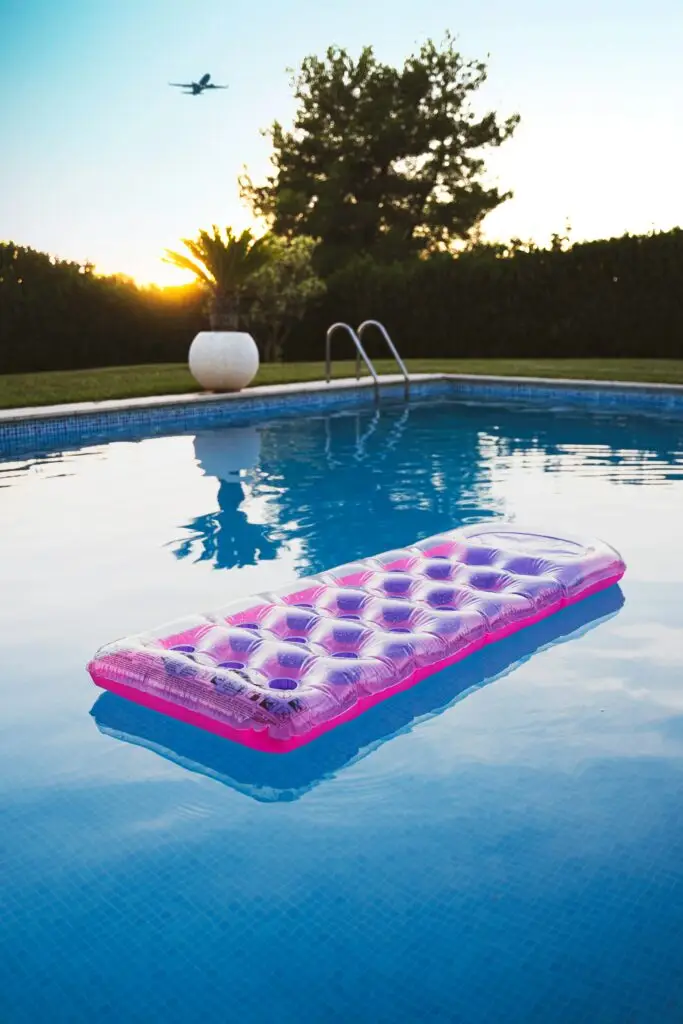
Auto fill for existing pools
Float or electronic
What’s included
What a Pool Water Leveler Installation Covers in Phoenix
Somebody has to remember the hose. In July that means every three or four days. The one week everyone forgets, the water drops below the skimmer and the pump sucks air, loses prime and runs dry. The seal goes. Then the motor. A week away in August comes home to a half-empty pool and a pump that hums.
Low water is the most common way a Phoenix pool damages itself. A skimmer that gulps air sends bubbles through the filter and heater. A pump that runs dry for an afternoon has cooked its shaft seal by evening. The tile line takes the other hit. A level that rises and falls two inches a week drags the evaporation line across the tile and widens the calcium band.
Pool water leveler installation from The Pool Shack fits an auto fill to an existing pool without draining it. A float valve in a deck canister, or an electronic sensor with a solenoid valve, is tied to the hose bib or irrigation supply with a backflow preventer. It is set to hold the level at mid-skimmer and tested. We show you how to read it, how to tell it from a leak, and why the calcium it brings in matters.
Is it time?
Signs a Phoenix Pool Needs an Auto Fill
If any of these has happened once, the leveler pays for itself the second time it does not.
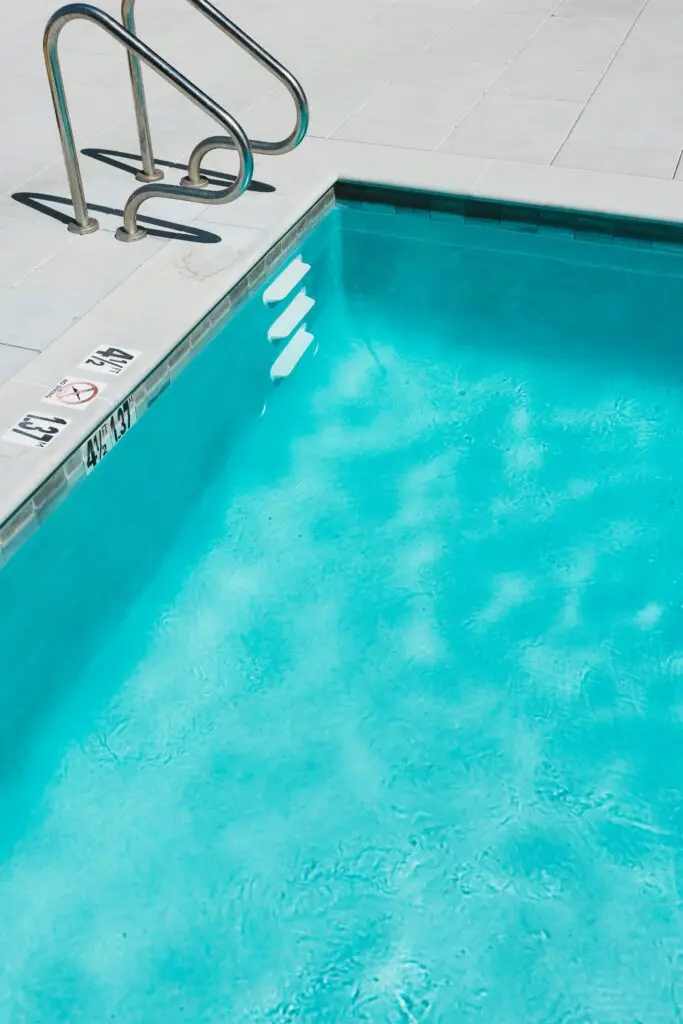
Licensed, bonded, insured
Arizona KA-5 dual license
Why it matters
Why a Pool Water Leveler Is Standard Equipment in Phoenix
Most pools in the country lose an inch of water a week in summer and gain it back in rain. A Phoenix pool loses that much every few days and gets almost nothing back until monsoon season. An auto fill is how new pools here are built, and a leveler retrofit is how older pools catch up. Here is what evaporation does to a Phoenix pool, what a leveler does about it, and what changes once one is in.
Evaporation in Phoenix: a quarter inch a day and what that does to a pool
A Phoenix pool in summer loses roughly a quarter inch of water a day. Wind or a running waterfall takes more. That is close to two inches a week, and on a typical pool it is hundreds of gallons. Nothing comes back. Summer rain is rare until monsoon season, and a single storm cannot replace a month of loss. So the level falls until someone adds water, and the pool lives on a hose schedule. A pool water leveler ends the schedule for good.
Evaporation takes only pure water. Everything dissolved in the pool stays behind and concentrates: calcium, salt, stabilizer and dissolved solids. Fill water replaces the volume and brings its own calcium with it. That is the chemistry behind the white line on the tile and the scale in the heater. An auto fill does not fix it. It does make the level steady, which keeps the evaporation line in one place instead of dragging it across two inches of tile.
Low water and the pool pump: why a pool water leveler protects the equipment first
The skimmer needs the water level at about the middle of its mouth. Below that, the skimmer weir stops working and the skimmer starts pulling air along with water. Air in the suction line breaks the pump’s prime. The pump churns without moving water, the shaft seal runs dry and overheats, and the motor follows within days if nobody catches it. In July that sequence can run its course during a long weekend.
The heater and the salt cell are next in line. Heaters with no flow trip their pressure switch. Salt cells with no flow stop making chlorine, so the pool goes green while the equipment sits idle. A leveler holds the water where the skimmer wants it every hour of every day. It is the cheapest piece of equipment protection on the pad. It pays for itself the first time a pump does not burn up.
Float auto fill vs electronic pool water leveler for an existing Phoenix pool
A float leveler is a small canister set into the deck near the pool. A short pipe connects it to the pool and another to a water supply. Inside is a float valve like the one in a toilet tank. When the pool drops, the float drops and the valve opens. It has no electronics, no power and almost nothing to fail, and it is the usual retrofit. It needs a hole cored in the deck and a trench for the supply line, which is a few hours of work.
An electronic leveler uses a sensor in the pool or skimmer and a solenoid valve on the supply line. It is wired to the automation or to its own controller. It can be set more precisely and it can shut off after a time limit so a leak does not run the meter. Some log how much water they add. It costs more and has more to go wrong. On a pool with automation it is often the better fit. On a pool without, the float wins on simplicity.
Backflow, the hose bib and the plumbing behind a safe auto fill
An auto fill connects the pool to the house water supply, and that connection has a rule. Pool water must never be able to siphon back into the drinking water lines. So the supply gets a backflow preventer or a vacuum breaker at the connection. Many home-built autofills, a hose stuffed into a float valve, skip that step. Ours do not, and neither does the city code. The device is small, it costs little, and it is the difference between a proper installation and a plumbing violation.
The supply comes from a hose bib, a dedicated line from the house, or the irrigation system. Irrigation is common in Phoenix and it works, with the caveat that a leveler on an irrigation zone only fills when that zone runs. A dedicated line or a hose bib fills on demand. The supply line is trenched or run along the deck edge and the canister is set flush. The whole thing is pressure tested before the deck is patched.
The hidden leak: why a pool water leveler needs a bucket test now and then
An auto fill has one real downside. It hides leaks. A pool that used to drop visibly when a fitting cracked now stays full, and the only sign is a water bill that climbs. A leak of an inch a day, which is a serious leak, disappears behind a leveler that quietly adds an inch a day. The fix is a habit, not a device. Turn the leveler off for a day or two in cool weather, mark the level, and see what happens.
A bucket test does the same thing more precisely. A bucket of pool water on the step, with the level marked inside and outside, separates evaporation from leakage over 24 hours. If the pool drops faster than the bucket, there is a leak, and the pool repair side of the shop finds it. Electronic levelers with a run-time limit and a fill counter make this easier. That is one argument for them on a pool that has leaked before.
Hard fill water, calcium and what an auto fill changes about the chemistry
Every gallon a leveler adds is Phoenix tap water, which is hard and full of calcium. A pool on an auto fill takes in a steady trickle of it all summer. The calcium hardness climbs without anyone pouring anything in. A pool that used to be topped off in bursts is now topped off continuously, so the chemistry drifts smoothly instead of in steps. That is easier to manage, but only if someone is managing it.
Calcium hardness gets tested and tracked, and pH is held at 7.4 to 7.6 with acid. The saturation index is kept near zero so the water neither scales nor etches. When calcium climbs past about 600 ppm, a partial drain and refill in the cool months resets it, and the leveler refills it. On our weekly pool service route that is watched every visit. A leveler makes the level automatic. It does not make the water automatic.
Overflow drains, monsoon storms and setting the level right
The other half of level control is what happens when the water goes up. A monsoon downpour can add an inch or two to a pool in an hour. A pool that is already full to the tile overflows onto the deck and into the yard.
An overflow drain at the tile line, plumbed to a dry well or a drain, lets the pool shed that water on its own. On a pool that has flooded its deck before, one goes in with the leveler. It is cheap insurance for a paver deck or a planter bed that sits below the coping.
The level itself is set at the middle of the skimmer mouth. That is high enough for the skimmer to work and low enough to leave room for a storm and for swimmers. Set too high, the skimmer stops skimming. Set too low, the whole point is lost. The float or sensor is adjusted, watched through a fill cycle and marked. An owner can then see at a glance where the level should sit.
Pool water leveler installation cost in Phoenix and what moves the number
Phoenix market pricing in 2026 runs about $300 to $700 for a float auto fill retrofitted to an existing pool. That includes the canister, the deck core, the supply line and the backflow preventer. Electronic levelers run $500 to $1,200 installed, more when tied into automation. An overflow drain adds $200 to $500. A built-in autofill during a remodel, with the water in the wall, is quoted with the remodel. Those are market ranges, not our quote.
The number moves with distance to the water supply and what the deck is made of. A hose bib ten feet from the pool edge and a concrete deck is a short morning. A supply line that has to cross a paver patio or a planter is longer. Every install is priced after a look at the deck and the nearest water. The price includes patching the deck where the line went in.
Pool water leveler installation from North Phoenix to Scottsdale and Cave Creek by a licensed crew
The Pool Shack installs auto fill systems across North Phoenix, Scottsdale, Paradise Valley, Cave Creek, New River and Glendale. Every job runs from our North Phoenix base. The work runs under an Arizona KA-5 dual license, which covers service and construction. Coring a deck, trenching a supply line and tying into the house water is construction work in Arizona, and the license stands behind it.
Float and electronic levelers from the major makers are both installed, matched to the pool’s automation where it has any. Every install ends with the level set, the backflow in place and a walk-through on the bucket test. Pools on the weekly route get the leveler checked at every visit, because a stuck float is the one failure a leveler has. Family-owned since 2015, licensed, bonded and insured.
Getting started
How a Pool Water Leveler Installation Runs
1
Deck and water supply assessed
Nearest hose bib or line, deck material, skimmer height and automation checked, then float or electronic chosen and priced in writing.
2
Canister set and supply tied in
Deck cored, supply line run with a backflow preventer, canister or sensor set flush, pressure tested and the deck patched.
3
Level set and tested
Float or sensor set to mid-skimmer, watched through a fill cycle, marked, and the bucket test explained.
Get a quote
Get a Quote for Pool Water Leveler Installation
Tell us where the nearest hose bib or irrigation line is, what the deck is made of, and if the pool has automation. A photo of the pool edge helps. We will quote in writing.
Related services
Services That Go With a Pool Water Leveler
Weekly Pool Service
The leveler checked and the calcium it brings in tracked every week, so the level and the water both stay right.
Learn More
Pool Repair
Leak detection when a bucket test says the pool is losing more than evaporation.
Learn More
Pool Tile Cleaning
The calcium band a moving water level left behind, removed once the level is steady.
Learn More
Common questions
Pool Water Leveler Questions From Phoenix Pool Owners
How much does a pool auto fill installation cost in Phoenix?
Market rates in 2026 run about $300 to $700 for a float leveler retrofitted with its canister, supply line and backflow preventer. Electronic levelers run $500 to $1,200. An overflow drain adds $200 to $500.
Can an auto fill be added to an existing pool?
Yes, without draining. A float canister is cored into the deck beside the pool and piped to the pool and to a hose bib or irrigation line. An electronic sensor mounts in the skimmer or on the wall.
How much water does a Phoenix pool lose to evaporation?
About a quarter inch a day in summer, close to two inches a week, and more with wind or a waterfall running. On a typical pool that is hundreds of gallons a week that a leveler replaces automatically.
Float or electronic pool water leveler: which is better?
Float for simplicity: no power, no electronics, little to fail. Electronic for precision, a run-time limit that stops a leak from running the meter, and a tie-in to automation. Pools without automation usually get the float.
Do you install pool water levelers in Scottsdale, Cave Creek and New River?
Yes. Leveler installations run from our North Phoenix base across North Phoenix, Scottsdale, Paradise Valley, Cave Creek, New River and Glendale. Call (480) 798-2888 with a photo of the pool edge.
Will an auto fill hide a pool leak?
Yes, that is its one downside. A leak shows up as a higher water bill instead of a falling level. Turn the leveler off for a day or run a bucket test now and then. An electronic fill counter helps.
Where should the pool water level be set?
At the middle of the skimmer mouth. Higher and the skimmer stops skimming and a storm overflows the deck. Lower and the skimmer pulls air. The float or sensor is set there, watched through a fill and marked.
Does an auto fill need a backflow preventer?
Yes. It connects the pool to the drinking water supply, so a backflow preventer or vacuum breaker is required to stop pool water siphoning back. Hose-in-a-float setups usually skip it. Ours never do.
Does an auto fill raise the calcium in my pool?
It keeps adding hard Phoenix tap water, so calcium hardness climbs steadily. The level is automatic, the chemistry is not. Calcium is tracked and a partial drain in the cool months resets it when it passes about 600 ppm.
Can the leveler run off my irrigation system?
Yes, and many Phoenix installs do. The catch is that it only fills when that irrigation zone runs. A hose bib or dedicated line fills on demand. Either way a backflow preventer goes on the connection.
Where We Work
Proudly Serving the Phoenix Area
- Phoenix
- Scottsdale
- Tempe
- Mesa
- Chandler
- Gilbert
- Glendale
- Peoria
Ready When You Are
Book a Pool Water Leveler Installation in North Phoenix
Float and electronic auto fill systems retrofitted and set right by a KA-5 licensed, family-owned crew, from North Phoenix across the Valley.